• Health
  • Shopping
  • Auto
Home : Pets

Top Categories

health

finance

shopping

automobile

travel

fashion

6 tips to toilet train a house cat
pets

6 tips to toilet train a house cat

As a cat owner, one might assume that pet training is more suited to dog parents and that one’s hyper-independent feline furball would resist any attempts at teaching. But one might be surprised that it’s pretty easy to train cats. This is especially beneficial if one’s plagued by the stink of an overflowing litter box and wants to toilet-train their feline companion. Here are some proven training tips that can work. Keep one bathroom only It’s important not to confuse the cat and have a designated bathroom for its business. One can choose a bathroom that’s easiest for the cat to access. Move the litter box into the bathroom Since the cat is used to the functions of a litter box, it will need to associate the bathroom with the elimination area. Move the litter box next to the toilet and let it defecate there a few times to get used to the new spot. Cats are self-learners, so patience is the key to training them. Raise the litter box gradually The litter box should be raised gradually to the toilet seat’s height. It’s essential to slow down this process to ensure that the feline is comfortable with the height of the toilet.
Read More
Common home remedies for relieving joint pain in dogs
pets

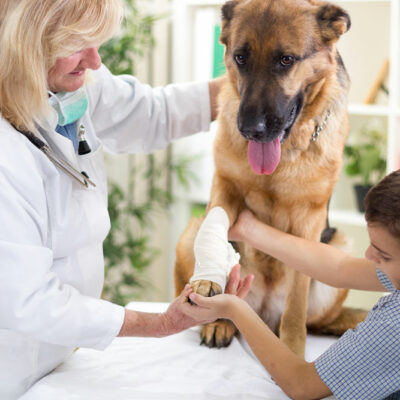
Common home remedies for relieving joint pain in dogs

Just like humans, dogs can also experience severe joint pain. It can occur due to aging or other health conditions that have started to affect their joint health. In such situations, it is important to follow treatment plans recommended by the vet while taking some pain management measures at home to provide comfort and relief to the furry companions. Several common dog joint pain relief home remedies can be used to alleviate their discomfort. Common home remedies for joint pain relief in dogs Before introducing any home remedy to your pet, consult a vet first. They can help determine the most effective and appropriate ways that do not cause side effects or worsen the symptoms. Manage the weight of the dog When a dog is overweight, the joints endure more pressure, further aggravating pain and discomfort. Besides, the additional body fat can cause joint inflammation, worsening symptoms. Therefore, managing the weight can help provide some relief from the pain. And if the pet is healthy and fit, it is important to maintain the weight at healthy levels. The ideal weight for pets is based on the breed, size, and age of the dog. Follow regular exercises A dog with joint pain may find it extremely difficult to move and may not be as active or playful as before due to the pain.
Read More
Urinary tract infection in cats – Signs and management
pets

Urinary tract infection in cats – Signs and management

Urinary tract infection, or UTI, is a condition that is not commonly seen in cats. However, when it does affect the felines of any age, it can cause significant health problems. This condition can occur due to bacterial infection in the urethra or bladder. As a pet parent, it is important to be aware of this condition and know different ways to handle it. Here is a brief guide about urinary tract infections in cats, shedding light on the symptoms and treatment options. Symptoms If a cat has a urinary tract infection, the cat owners may notice the following symptoms: Pain during urination Painful urination is one of the most telltale and worrying signs of UTI. If one notices the cat crying out in pain while urinating, it may be a sign of discomfort due to a urinary tract infection or feline lower urinary tract infection (FLUTD). Blood in urine Cat owners must also keep an eye on their pet’s urine. If one observes blood in the urine or notices that it appears unusually cloudy, it might indicate the presence of a urinary tract infection. In either case, these symptoms must not be taken lightly, and the cat must be promptly taken to a veterinarian for timely diagnosis and treatment.
Read More
7 reasons invisible fences might fail to protect pets
pets

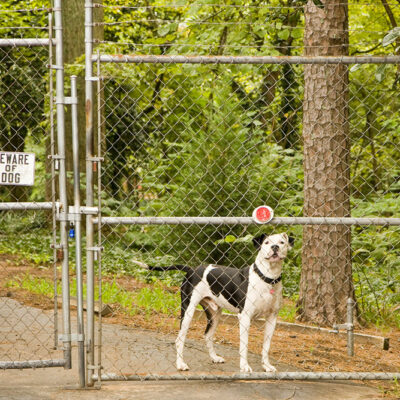
7 reasons invisible fences might fail to protect pets

Installing fences around the yard is a crucial step to preventing one’s pet companion from wandering away from home. These days, invisible fences have emerged as a popular safety mechanism. Usually installed either underground or using wireless transmitters, they emit radioactive signals to the pet’s collar whenever it tries to cross the boundary, triggering a static shock to alert them. However, here are some reasons why these aren’t the best solutions for one’s furry friends. Sudden and fear-inducing static shocks When pets receive static shocks from invisible electric fences whenever they try to cross the boundary, they may not understand what’s causing it. Therefore, this can make them scared of the outcome whenever they approach the boundary and may start showing fear-related behaviors. For example, they may completely avoid strolling the yard and might always seek refuge indoors. So, in a way, invisible electric fences may affect pets’ mental well-being. Potential collar injuries Although the electric shock generated by invisible wires is static and not harmful to pets, the fence collar may cause injury by rubbing uncomfortably against their neck. In addition to discomfort, this may lead to wounds and infections among pets. Ineffectiveness because of the pet’s prey drive Hunting their prey is a natural instinct among dogs and cats, and sometimes, even invisible electric fences may not deter them when they start their prey hunt.
Read More
5 factors to consider while choosing pet fences
pets

5 factors to consider while choosing pet fences

One may want a fencing system to keep their pets safe, as it can help prevent pets from venturing outdoors or entering rooms unsupervised. However, with so many kinds of pet fences available today, finding the right option might require some research and careful consideration. A rushed decision might make one buy a fence system that does not work as expected. So, here are a few factors to consider when choosing a pet fence system. 1. Fence types One should determine the right type of fence system. For instance, plastic fences are ideal for small dogs and are easy to install and maintain. Metal fences are sturdy and can contain dogs of all sizes. For pets that are easily agitated or disturbed by passersby, a privacy fence can prevent them from seeing anyone outside the gate. One could also consider chain-link fences for large-breed dogs. This is a reliable option that can prevent a pet from getting out while offering versatility for them to run and play. Chain-link fences are also customizable in terms of size, thickness, and color to cater to diverse preferences. 2. Pet size The size of the pet should play a role in assessing the type of fencing.
Read More
4 mistakes pet owners make when purchasing pet insurance
pets

4 mistakes pet owners make when purchasing pet insurance

Pets are exactly like family members. Just as one ensures all their family members have insurance for their needs, the same benefit should be extended to their pets as well. Purchasing a pet insurance policy is one of the main things to do right when one brings a pet to their family. However, to select the right policy, one should avoid certain mistakes. Here are four common mistakes pet owners make when purchasing pet insurance. Delaying the purchase of pet insurance Many pet owners are unaware of the existence of the concept called pet insurance. Even more people find pet insurance unnecessary and irrelevant for their pets until they actually desperately need a policy in specific circumstances. Not having pet insurance can become a huge problem when pets get seriously ill or injured. When one considers purchasing insurance at that point (or at the last minute), even insurance companies will either outright reject coverage of expenses or set the premium rates high to reduce their risks in the situation. For these reasons, the best time to purchase insurance is when the pets are young and healthy. Assuming that pet insurance only covers injuries or illnesses Pet insurance is used extensively to cover the expenses of medical emergencies; however, it is much more multifaceted than just that.
Read More
4 things to know about pet insurance
pets

4 things to know about pet insurance

Many people are unaware of pet insurance, even after becoming pet owners. It is important to do thorough research to learn everything one needs to know about pet insurance. Not doing so can result in buying insurance policies that do not entirely suit one’s requirements. Like other kinds of covers, pet insurance comes with a long list of terms and conditions. Here are some things one should know before investing in pet insurance policies: It is usually a reimbursement plan It is important to know that, unlike the case with certain medical insurance policies that cover humans, pet insurance only kicks in after policyholders make payments for the treatment of their beloved pet companions. One needs to initially cover the bill at a vet’s clinic after availing of the latter’s services. If the pet insurance company does not cover the cost, such an individual will suffer a financial loss. To get a measure of this, one needs to get a full estimated breakdown of the costs of treatment for one’s pets from the veterinary expert. Using this breakdown, one can know which costs will be covered by the insurance provider and which ones will have to be paid out of pocket.
Read More
Showing 17-24 of 23 results

123

Popular Articles

4 Small Pickup Trucks to Choose From

4 Small Pickup Trucks to Choose From

Tips to get the best car leasing deals

Tips to get the best car leasing deals

5 affordable crossover SUVs you can buy without thinking twice

5 affordable crossover SUVs you can buy without thinking twice

What to consider before buying a Chevy Silverado 1500

What to consider before buying a Chevy Silverado 1500

© 2026 ArticVerse.com. All Rights Reserved.

  • About Us
  • Contact Us
  • Privacy Policy
  • Advertiser Information
e