

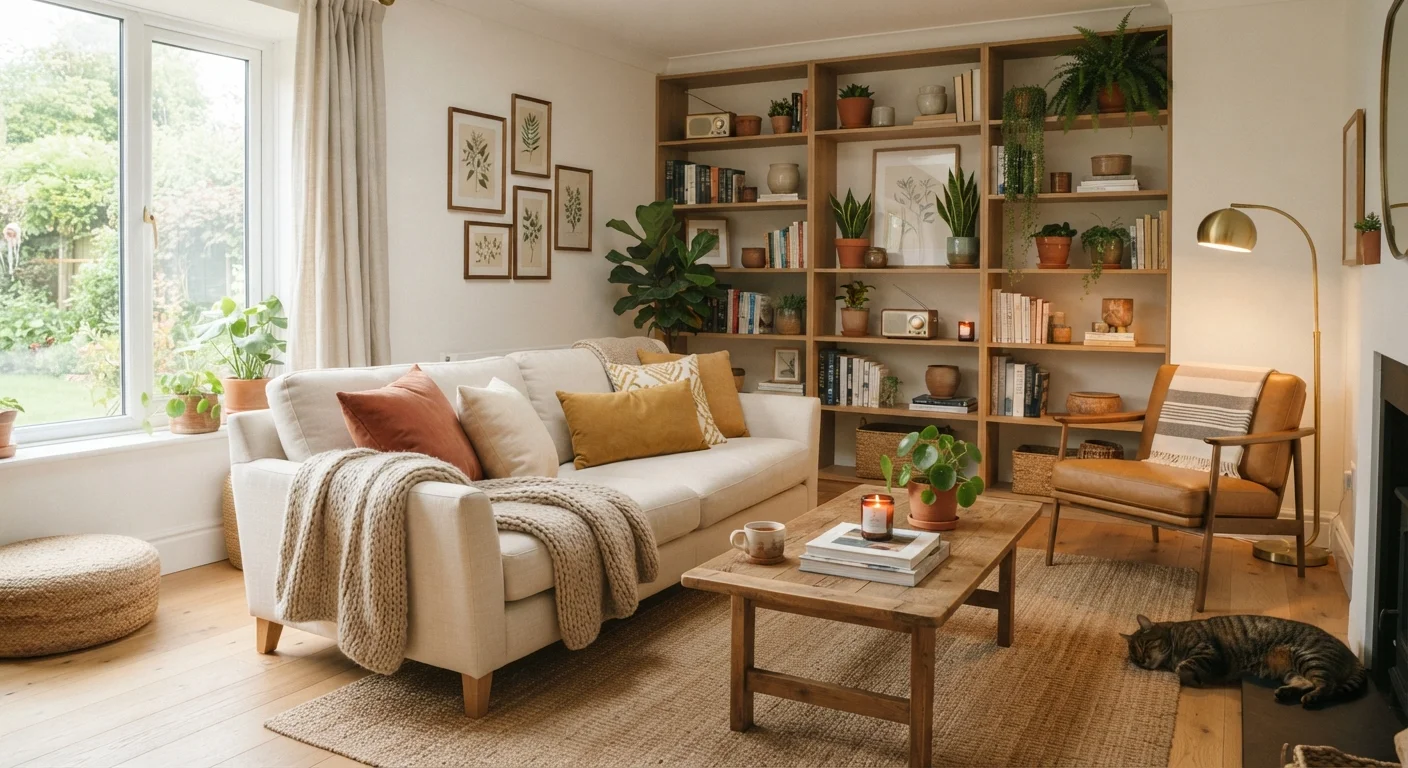
Key Takeaways
- Home comfort depends on multiple overlapping factors, not just temperature alone.
- Small, low-cost adjustments to airflow, humidity, and light make a measurable difference.
- Organisation reduces daily friction and mental clutter as much as physical mess.
- Seasonal checks help prevent comfort problems before they become costly repairs.
- Addressing one layer at a time makes the process manageable for any household.
What Home Comfort Actually Means
Comfort at home is often described as a feeling — but it has concrete, physical components that can be identified and improved. It's the result of multiple overlapping layers working together: thermal balance, clean air, appropriate light, and a space organized enough to let you move and think freely.
Most people focus on one element when something feels off — turning up the heat, for example — without realizing that humidity, drafts, or clutter may be contributing just as much to their discomfort. This guide walks through each layer in plain terms so you can make small, practical changes that compound into a genuinely pleasant home environment.
Start With One Room
Rather than trying to overhaul your entire home at once, pick the room where you spend the most time and work through each comfort layer there first. Small, visible wins in a single space build the habit and confidence to tackle the rest of the home gradually.
Temperature and Airflow
Temperature is the most obvious comfort factor, but how air moves through your home matters just as much as the number on your thermostat. A room at 70°F with stagnant air can feel stuffy, while the same temperature with a gentle cross-breeze feels refreshing.
A few practical steps make a real difference:
- Check and replace HVAC filters every 60–90 days. A clogged filter restricts airflow and forces your system to work harder, reducing efficiency and air distribution.
- Use ceiling fans seasonally. In summer, run them counterclockwise (when viewed from below) to push cool air down. In winter, reverse the direction to gently recirculate warm air that rises to the ceiling.
- Identify drafts around windows and exterior doors by holding a lit candle near the edges on a windy day. Even simple weatherstripping can eliminate cold spots.
For a seasonal overview of HVAC and draft checks, see our seasonal maintenance checklist.
30–60%
Recommended indoor relative humidity range
According to ASHRAE guidelines, maintaining humidity within this range supports comfort and limits mold and allergen growth.
90%
Of time Americans spend indoors
The U.S. Environmental Protection Agency estimates Americans spend roughly 90% of their time indoors, making indoor air quality a key daily health factor.
Air Quality and Humidity
Indoor air quality is an often-overlooked comfort layer. The EPA notes that indoor air can be more polluted than outdoor air in some circumstances, partly due to household products, cooking, and poor ventilation.
Relative humidity — the amount of moisture in the air — sits at the intersection of comfort and health. The American Society of Heating, Refrigerating and Air-Conditioning Engineers (ASHRAE) generally recommends keeping indoor relative humidity between 30% and 60% for comfort and to limit mold growth.
- Too dry (below 30%): Skin feels tight, static electricity increases, and wood furniture can crack. A room humidifier helps in winter when heating systems dry the air.
- Too humid (above 60%): The air feels heavy, mold is more likely, and allergens like dust mites thrive. A dehumidifier or improved ventilation addresses this.
Houseplants can support air quality and add a sense of calm to a room, though they are not a substitute for proper ventilation.
Ventilation Is Non-Negotiable
Running cooking appliances, gas heaters, or even candles without adequate ventilation can allow carbon monoxide and other combustion byproducts to accumulate. Ensure your home has working carbon monoxide detectors on each floor and that kitchens and bathrooms have functioning exhaust ventilation. Test detector batteries at least once a year.
Light: Natural and Artificial
Light shapes how a space feels at every hour of the day. Maximizing natural light reduces eye strain and supports circadian rhythms, while well-planned artificial light prevents the harsh flatness that makes rooms feel institutional.
Audit your lighting in the evening, not during the day — that's when artificial light becomes the dominant source and design flaws become obvious.
Daytime assessments are skewed by natural light flooding the space, which masks how dim or harsh your fixtures truly are after dark.
If a room always feels wrong temperature-wise, check for heat-generating appliances or direct sun exposure before adjusting your thermostat.
Local heat sources like electronics or south-facing windows can create microclimates that a thermostat in another room can't compensate for.
Practical adjustments to consider:
- Clean your windows twice a year. A layer of grime can reduce natural light transmission significantly without you noticing the gradual change.
- Layer your artificial lighting. Combine ambient light (overhead fixtures) with task lighting (desk lamps, under-cabinet strips) and accent lighting for flexibility.
- Choose warm-toned bulbs (2700K–3000K) for living areas and cooler tones (4000K+) for workspaces. The color temperature, measured in Kelvin, is printed on the bulb package.
Organisation and Clutter Control
Physical clutter creates real cognitive load — research in environmental psychology suggests that disordered environments can increase stress and reduce focus. You don't need a minimalist aesthetic to benefit from better organisation; you just need systems that fit how your household actually operates.
Start with high-friction zones — entryways, kitchen counters, and bathroom surfaces — where objects accumulate daily. Simple habits make a lasting difference:
- Assign a permanent home for items used every day (keys, bags, chargers) so they're easy to return after use.
- Apply a one-in-one-out rule for items that tend to pile up, like magazines or kitchen gadgets.
- Use vertical storage — shelving and wall hooks — to free floor space in smaller rooms.
The kitchen is often the highest-traffic zone for clutter and comfort. Our cooking basics hub covers how a well-organized kitchen also makes everyday meal preparation smoother and more enjoyable.
Organisation Systems Vary by Household
There is no universally correct way to organize a home — what works for a single adult differs from what works for a family with young children. Any system that reduces daily friction and is easy to maintain is the right one. Focus on sustainability over perfection.
Putting It All Together
No single layer creates a comfortable home on its own. Temperature without airflow feels stale. Good air quality without adequate light feels dim and oppressive. A beautifully lit room that's cluttered still creates friction. The goal is to assess each layer systematically, then address the ones where you'll feel the biggest immediate improvement.
A useful starting point: walk through your home at different times of day and note what bothers you. Is there a room that always feels cold despite the heat being on? A hallway that feels chaotic when you arrive home? A workspace where you always end up with a headache? Each of those is a solvable problem once you know which layer to target.
Small, consistent steps — replacing a filter, adding a lamp, clearing a single surface — accumulate into a home that genuinely supports daily life.