

Key Takeaways
- Always confirm your travel dates and set a realistic budget before booking anything.
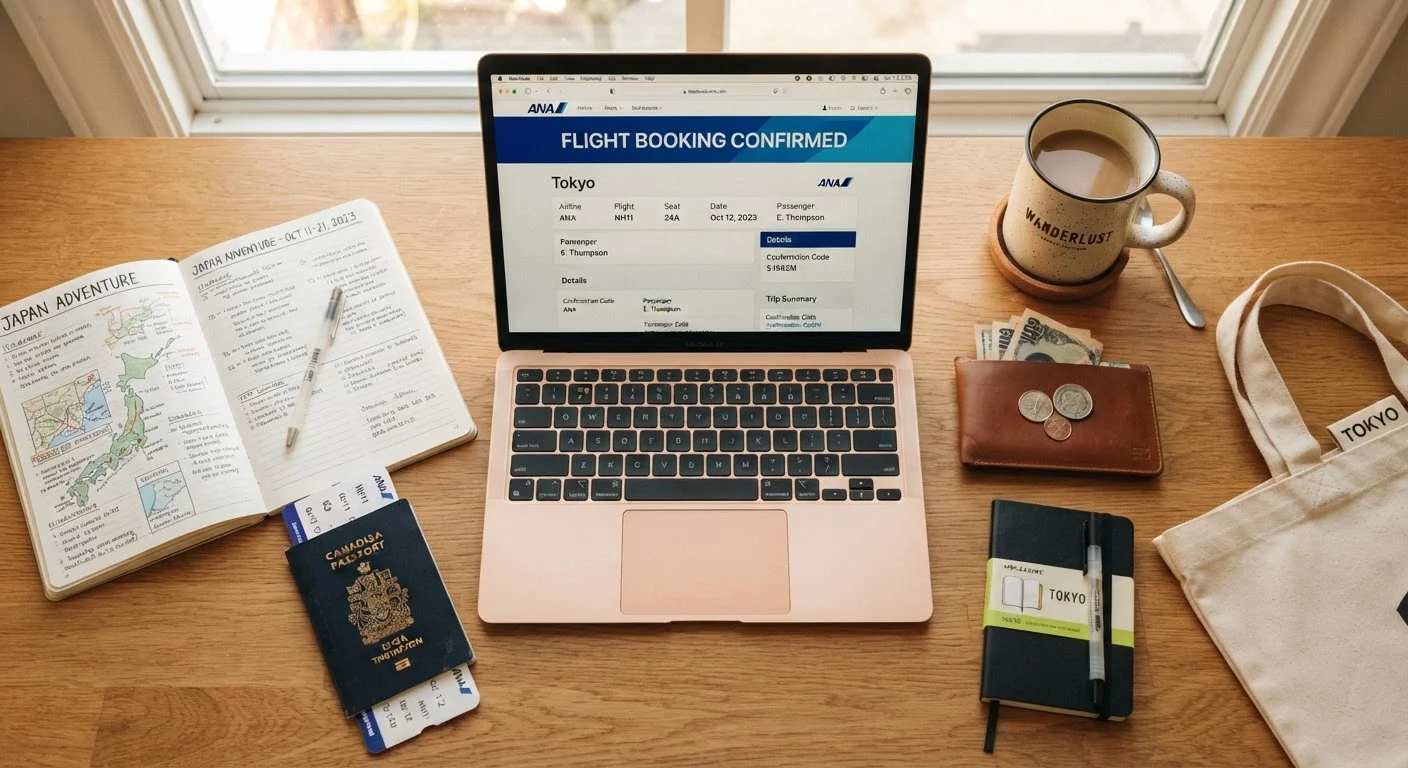
- Flights should be booked first because they anchor every other decision in your trip.
- Accommodation comes second — your hotel location shapes your activity options.
- Activities and tours can be booked last, closest to your departure date.
- Booking in the wrong order can lead to costly changes or non-refundable conflicts.
- Flexibility in your booking strategy matters more than chasing the single lowest price.
What you will need
Why Booking Order Actually Matters
Most travelers approach trip planning the same way: they find an exciting destination, start searching for flights and hotels simultaneously, and book whatever looks good in whatever order they stumble upon it. The result is often a tangle of conflicting reservations, unnecessary change fees, and the creeping anxiety of realizing something doesn't line up.
The order in which you lock down travel bookings has a direct effect on your costs, your flexibility, and your ability to change course when something goes wrong. Flights anchor every other decision. Hotels depend on flight timing. Activities fit around everything else. Getting this sequence right isn't about being rigid — it's about making each booking with full information rather than incomplete assumptions.
It's also worth understanding what common myths about booking travel early get wrong. Earlier isn't always better, and the right sequence matters more than sheer speed.
What you will need
What You'll Need Before You Start
Before diving into any booking platform, make sure you have the foundational pieces in place. Jumping into reservations without these creates the conditions for costly mistakes.
Flight search aggregator
Compare available routes and general price ranges across multiple airlines to inform your date selection.
Accommodation booking platform
Browse hotel, hostel, or rental options near your target areas to evaluate location and availability.
Destination tourism or official visitor site
Identify major attractions, seasonal closures, and any ticketed experiences that require advance reservations.
Spreadsheet or travel planning app
Track confirmation numbers, cancellation deadlines, and total spend across all bookings in one place.
Check Visa and Entry Requirements Early
Before you book a single flight, verify current entry requirements for your destination through official government sources such as the U.S. Department of State travel website. Processing times for visas can take weeks, and some destinations require proof of accommodation at the point of application. Treat this as part of Step 1, not an afterthought.
The Right Booking Sequence — Step by Step
Follow these steps in order. Each one builds on the last, and skipping ahead is where most booking errors begin.
Set your dates and establish a working budget
Everything downstream depends on two anchors: when you're going and how much you're prepared to spend. Nail these down before you open a single booking tab. A flexible date window — even just a few days of wiggle room — can meaningfully affect what flights are available and at what cost.
Use this stage to run rough estimates across flights, accommodation, and activities so you're not making individual booking decisions in isolation. Our guide to building a realistic travel budget walks through how to estimate true trip costs before committing to anything.
Book your flights first
Flights are the highest-stakes, least-flexible part of most trips. They determine your arrival city, your travel window, and often your total trip cost more than anything else. Book them before accommodations for one simple reason: if your flight changes or disappears, a non-refundable hotel becomes a liability.
When comparing options, pay attention to layover times, baggage policies, and total travel time — not just the base fare. A lower-priced flight with a six-hour layover may cost more in meals and comfort than a slightly pricier direct option.
Book accommodation second
With your flights confirmed, you now know your exact arrival and departure dates — which means you can book accommodation with confidence. Location matters here: where you stay shapes how much time and money you spend getting around. Staying close to the areas you most want to explore reduces both transit costs and daily friction.
Compare cancellation policies carefully. A slightly higher rate with free cancellation often makes more sense than a non-refundable rate — especially if your plans could still shift. Confirm the key layers of your trip plan are aligned before finalizing.
Research and reserve must-do activities
Now that your core trip is locked in, turn to experiences. Most activities — tours, restaurant reservations, day trips — can be booked closer to your travel date, which gives you the advantage of confirmed plans and real flexibility. However, a small number of high-demand experiences (popular national park permits, timed-entry landmarks, or specific guided tours) may require earlier reservations.
Identify which activities genuinely require advance booking versus which ones are widely available. Don't let perceived scarcity push you into over-scheduling. A well-paced itinerary often makes for a better trip than one packed with pre-booked commitments. See our itinerary planning guide for how to structure your days thoughtfully.
Review all bookings for conflicts and gaps
Once flights, accommodation, and key activities are booked, do a final pass through all your confirmations. Check that check-in and check-out times align with your flight arrivals and departures. Confirm that activity start times don't conflict with each other or require impossible commutes between locations.
Keep a single document — a simple spreadsheet works fine — with all confirmation numbers, cancellation deadlines, and contact information. This is also a good moment to revisit your pre-trip budget checklist and verify your actual spend matches your original plan.
Non-Refundable Bookings Carry Real Risk
Many flights and hotels offer non-refundable rates at a lower price point. Before locking in any booking, confirm the cancellation policy in writing. Booking accommodations before your flights are confirmed is a common way travelers end up stuck with losses they can't recover.
Don't Let Activity FOMO Drive Your Timeline
Some travelers book high-demand tours or tickets far in advance out of fear they'll sell out — before their flights are even confirmed. Unless an event has a fixed, unmovable date (like a festival or ticketed landmark), hold off on activity bookings until your core travel is locked in. Chasing activities first can force you into expensive flight or hotel changes.
Staying Flexible Without Losing Control
A well-sequenced booking plan doesn't mean locking everything in months ahead of time. It means making each decision with the right information at hand. Flights first, accommodation second, activities last — this order lets each booking inform the next rather than creating conflicts you have to spend time and money unwinding.
If your budget is a concern at any stage, the Travel on a Budget hub offers practical strategies for managing costs across every part of your trip without sacrificing the experiences that matter most.
This article is for general informational purposes only. Prices, availability, policies, and entry requirements change frequently. Always verify current conditions with airlines, accommodation providers, and official government sources before booking or traveling.