

Key Takeaways
- A sinking fund saves money gradually for expenses you can predict but don't pay monthly.
- Common uses include car repairs, annual insurance premiums, holiday spending, and home maintenance.
- Dividing the total cost by months remaining gives you a simple monthly savings target.
- Sinking funds prevent debt by funding predictable costs before they arrive.
- Unlike emergency funds, sinking funds cover planned expenses, not unexpected crises.
Sinking Fund
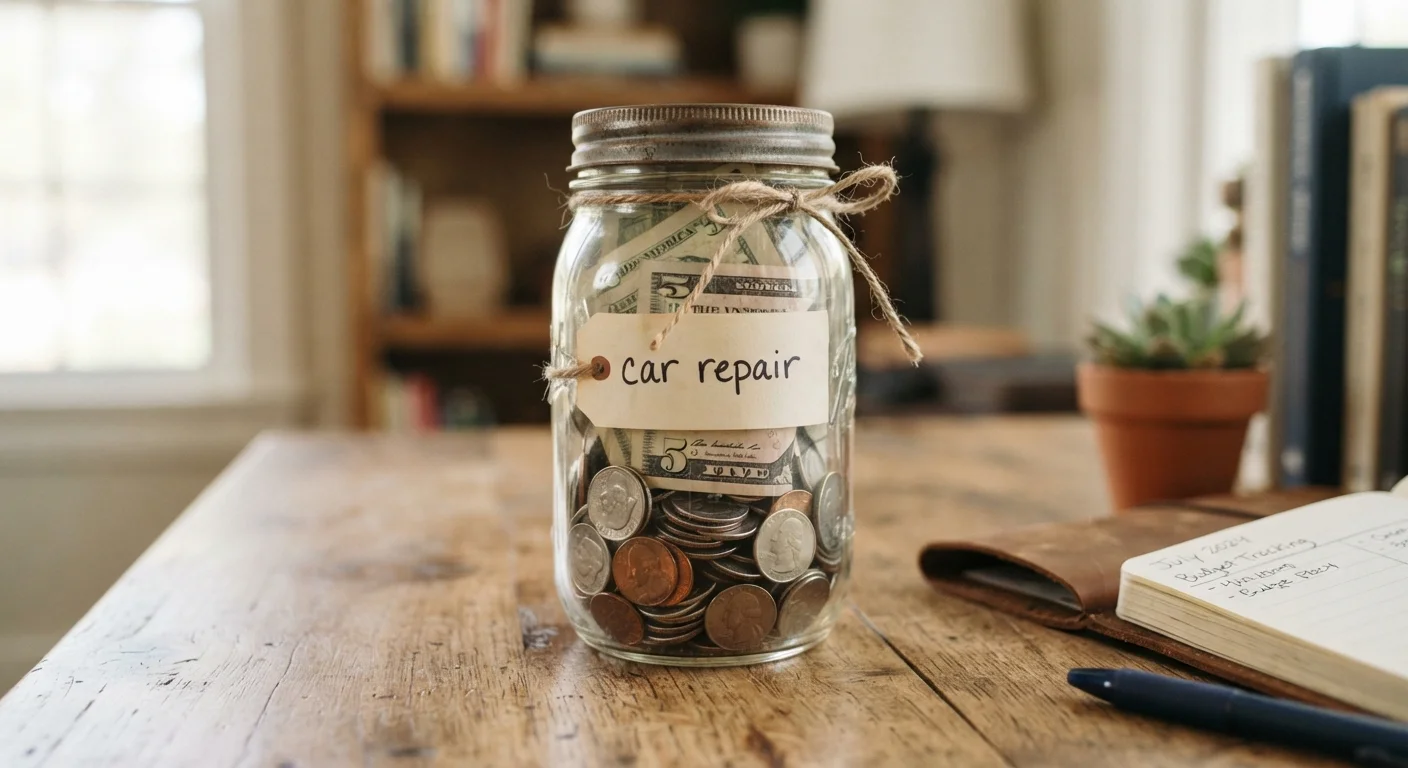
A sinking fund is a dedicated savings pool you build up gradually to cover a specific, known future expense. Instead of scrambling to pay a large bill when it arrives, you set aside a small amount each month so the money is ready when you need it. It's a proactive budgeting tool that turns irregular, predictable costs into steady, manageable contributions.
In corporate finance, sinking funds refer to reserves set aside to retire debt obligations over time — the personal finance concept borrows the same core logic of incremental accumulation toward a known liability.
The Problem Sinking Funds Solve
Most budgets are built around monthly expenses — rent, groceries, utilities. But life is full of costs that don't arrive every month: car registration, annual insurance renewals, holiday shopping, or a new set of tires. These expenses aren't surprises — you know they're coming — yet they still derail budgets because there's no dedicated plan for them.
When a $900 car repair or a $500 dentist visit lands without warning funds set aside, most people face an uncomfortable choice: raid another part of the budget, dip into emergency savings, or put the charge on a credit card. Each option creates a new problem. A sinking fund short-circuits this cycle entirely by spreading the cost across time before the bill arrives.
This concept fits naturally into a broader system of sustainable financial habits. As explored in our guide on habits that keep a budget running without constant willpower, the most effective money systems reduce the decisions you have to make in the moment — and sinking funds do exactly that.
How a Sinking Fund Actually Works
The mechanics are simple. You identify an upcoming expense, estimate its cost, and divide that cost by the number of months until you need the money. That result is your monthly contribution target.
Example: You know your homeowner's insurance renews in 10 months and costs $1,000. Divide $1,000 by 10 and you get $100 per month. Set that aside automatically each month and the bill is fully covered when it arrives — no scrambling required.
36%
Americans who couldn't cover a $400 emergency without borrowing
According to the Federal Reserve's Report on the Economic Well-Being of U.S. Households, a significant share of adults lack ready cash for modest unexpected costs.
$1,000–$2,000
Typical annual car maintenance cost per vehicle
AAA estimates that routine vehicle upkeep — oil changes, tires, brakes, and repairs — averages roughly this range for most American drivers.
12x
Months available to fund a single annual expense
Spreading any annual lump-sum cost across 12 equal monthly contributions eliminates the need to find large sums on short notice.
Most people find it helpful to keep sinking funds in accounts separate from their everyday checking. Sub-accounts at an online bank, or a dedicated savings account with a clear label, work well. The physical separation makes it easier to leave the money alone until it's needed. Our overview of savings account types can help you choose the right place to park these funds.
Common Sinking Fund Categories
Almost any predictable, irregular expense is a candidate. Here are some of the most practical categories:
- Vehicle costs: Registration, inspection fees, tires, and routine maintenance add up reliably each year.
- Home maintenance: HVAC servicing, gutter cleaning, appliance replacement — homes require steady upkeep.
- Medical and dental: Annual deductibles, glasses, or routine dental work not fully covered by insurance.
- Holiday and gifts: December spending is predictable every single year — start saving in January.
- Travel: A dedicated travel sinking fund makes vacations a planned purchase rather than an impulse one. Our article on building a travel fund from a regular income walks through the process in detail.
- Annual subscriptions and fees: Software renewals, professional memberships, or club dues that bill annually.
Automate Your Contributions From Day One
Set up an automatic transfer to your sinking fund on the same day your paycheck lands. Treating the contribution like a fixed bill — not a discretionary choice — removes the temptation to skip it. Automation is what separates a sinking fund that works from one that stalls.
You don't need to fund every category at once. Start with the one or two expenses most likely to catch you off guard in the next six months, then expand from there.
Sinking Funds vs. Emergency Funds: Know the Difference
People sometimes confuse sinking funds with emergency funds, but they serve entirely different purposes. An emergency fund is a financial safety net for unpredictable hardship — job loss, a sudden medical crisis, an unexpected home disaster. You don't know when you'll need it or exactly how much.
A sinking fund, by contrast, covers costs that are expected. You know your car will eventually need new brakes. You know the holidays come every December. These aren't emergencies — they're planned events that simply need a savings plan attached to them.
Treating predictable costs as emergencies drains your safety net and leaves you exposed to real crises. Keeping both funds intact, for their intended purposes, gives your finances far more stability. If you're starting from scratch on either front, our starter's roadmap to building savings offers a practical entry point.
Sinking Funds Don't Replace a Budget
A sinking fund works alongside your broader budget, not instead of one. Think of it as a budget line item that you pay in advance. If you're still building your overall money management system, exploring the budgeting basics hub is a useful next step to ensure your sinking funds fit into a complete financial picture.