

Key Takeaways
- The early school years span a wide developmental range — from learning to sit still to managing homework independently.
- Academic progress varies significantly between children; developmental readiness matters more than pace.
- Social skills — sharing, conflict resolution, empathy — are actively learned during these years, not pre-installed.
- Routines at home directly support a child's ability to focus and feel secure at school.
- A collaborative relationship with teachers gives parents early insight into how their child is really doing.
- Every child's school journey is unique; comparison with peers is rarely a useful guide.
Start here
What the Early School Years Actually Look Like
Next
Academic Milestones: What's Normal and What's Not
Then
Social and Emotional Development at School
Dig deeper
Supporting Growing Independence at Home
Finally
Building a Strong Parent–School Partnership
What the Early School Years Actually Look Like
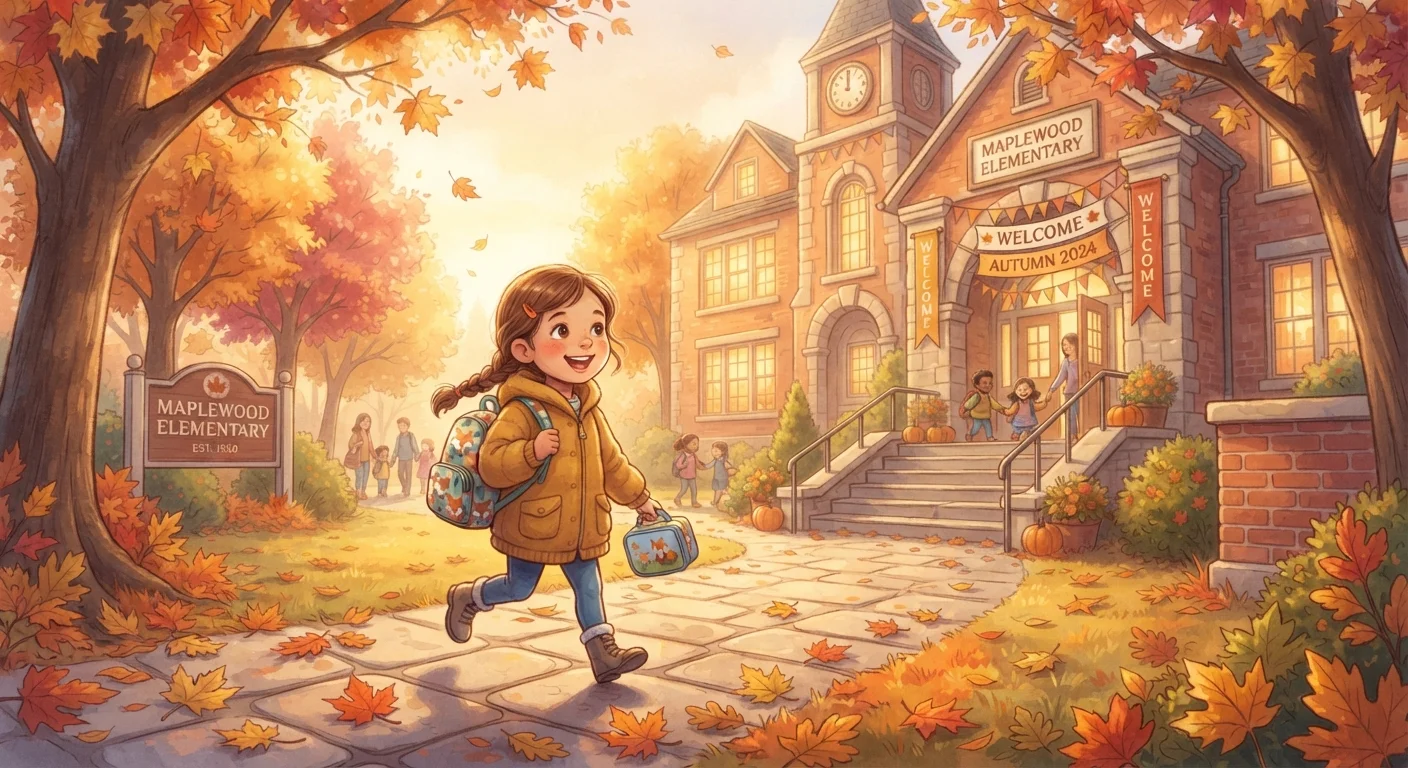
The transition from toddlerhood into formal schooling is one of the biggest shifts in a child's life — and in a parent's too. If you're just beginning this journey, it helps to have a realistic picture of what these years actually involve, rather than an idealized one.
From reception or kindergarten through to upper primary (roughly ages 5–12), children move through overlapping phases of development. In the earliest years, school is largely about learning how to be at school — following routines, listening in groups, and managing feelings away from home. By the middle years, academic expectations increase steadily, and social life becomes far more complex.
It's also worth noting that the early school years don't begin in a vacuum. If you're reading this while your child is still in the toddler stage, the Baby & Toddler Years hub covers the developmental foundations that set children up well for learning.
School readiness
A child's overall preparedness for the school environment, covering not just academic skills but also emotional regulation, social skills, and basic self-care abilities.
Developmental milestone
A skill or ability that most children are expected to reach within a certain age range — a rough benchmark rather than a fixed deadline.
Phonics
A method of teaching reading that focuses on the relationship between letters and the sounds they make, widely used in early literacy instruction.
Self-regulation
A child's ability to manage their own emotions, impulses, and behavior — a skill that develops gradually throughout childhood and is central to school success.
Executive function
A set of mental skills — including working memory, flexible thinking, and impulse control — that help children plan, focus, and follow multi-step instructions.
Inclusion support
Additional resources or adjustments provided within a mainstream classroom to help children with learning differences or disabilities access the curriculum alongside their peers.
Academic Milestones: What's Normal and What's Not
Parents often feel anxious watching their child's academic progress, especially when other children seem to be reading fluently or doing mental arithmetic before your child has found their footing. The reassuring truth is that developmental timelines vary considerably — and early academic speed is rarely a reliable predictor of long-term ability.
In the first two years of school, most children are building foundational literacy and numeracy skills: recognizing letters and sounds, understanding that print carries meaning, counting with understanding, and beginning to write simple words. By mid-primary school, children are expected to read independently, write with structure, and apply number operations to real problems.
Reading Together Still Matters
Even after children can read independently, shared reading aloud has real benefits. It exposes children to more complex vocabulary, supports comprehension, and keeps reading a warm, connected experience. Aim for even ten minutes a few evenings a week — the books don't have to be age-appropriate to be enjoyable.
If you notice your child consistently struggling with specific skills despite practice and support, it is always worth raising with their teacher rather than waiting. Early intervention is generally more effective than later catch-up — and teachers often spot patterns that aren't visible at home.
Social and Emotional Development at School
School is, in many ways, a child's first laboratory for social life. Friendships form and fracture. Playground hierarchies emerge. Children learn — sometimes painfully — that other people have needs and feelings that don't always align with their own.
In the early years, most children are still developing the ability to regulate strong emotions. Tears at drop-off, frustration over a game that didn't go their way, or falling out with a best friend on Monday and reconciling by Tuesday are all developmentally ordinary. By upper primary, children are expected to manage more of this independently, though they still need significant adult guidance.
It's important not to minimize social struggles. Feeling left out or bullied can have a real impact on a child's willingness to engage with school. If your child describes recurring social difficulties, document what they share and speak with their teacher sooner rather than later.
Don't Dismiss Friendship Struggles
Children sometimes minimize social pain because they don't have the words to describe it, or because they fear making things worse. If your child is regularly coming home upset about peers, or begins avoiding school, take it seriously and loop in their teacher. Persistent social difficulties are worth addressing early, not waiting out.
Supporting Growing Independence at Home
One of the most meaningful things parents can do during the school years is create a home environment that mirrors the kind of predictability school provides. Consistent bedtimes, a set homework or reading routine, and a calm after-school transition give children the stability they need to manage increasing demands.
As children move through primary school, the goal is to gradually hand responsibility back to them — packing their own bag, remembering their library day, managing a small homework task without reminders. This process is rarely smooth, and it requires parents to tolerate some small failures rather than step in immediately.
If your child is approaching the age where a personal device becomes relevant, the guide to setting up a child's first device covers what to configure before handing it over — an important consideration as digital independence grows alongside physical independence.
Building a Strong Parent–School Partnership
Your child's teacher sees them in a context you never will — surrounded by peers, navigating group expectations, managing the social and academic demands of a classroom. That perspective is genuinely valuable, and building a respectful working relationship with their teacher is one of the most practical things you can do as a school parent.
This doesn't mean hovering or seeking constant updates. It means responding to communications promptly, attending conferences prepared, and reaching out when you have a specific concern rather than letting it build. For practical guidance on navigating everything from routine check-ins to harder conversations, see our Talking to Your Child's Teacher handbook.
Finally, remember that the primary school years are a long runway, not a sprint. The child who struggles with reading at six may be an avid reader at ten. The child who finds friendships hard in Year 2 may flourish socially by Year 5. Staying curious about your child — rather than worried about where they rank — is one of the most powerful parenting stances you can take. When you're ready to look ahead, Navigating the Teen Years offers a grounded preview of what comes next.
Every Child's Timeline Is Different
Developmental milestones are ranges, not deadlines. A child who takes longer to settle into school routines, make friends, or master reading is not necessarily falling behind — they may simply be on their own timeline. Use milestones as a conversation starter with professionals, not as a scorecard.
This article provides general information for educational purposes and is not a substitute for advice from a qualified educator, child psychologist, or healthcare professional. If you have specific concerns about your child's development, please consult a qualified professional.