

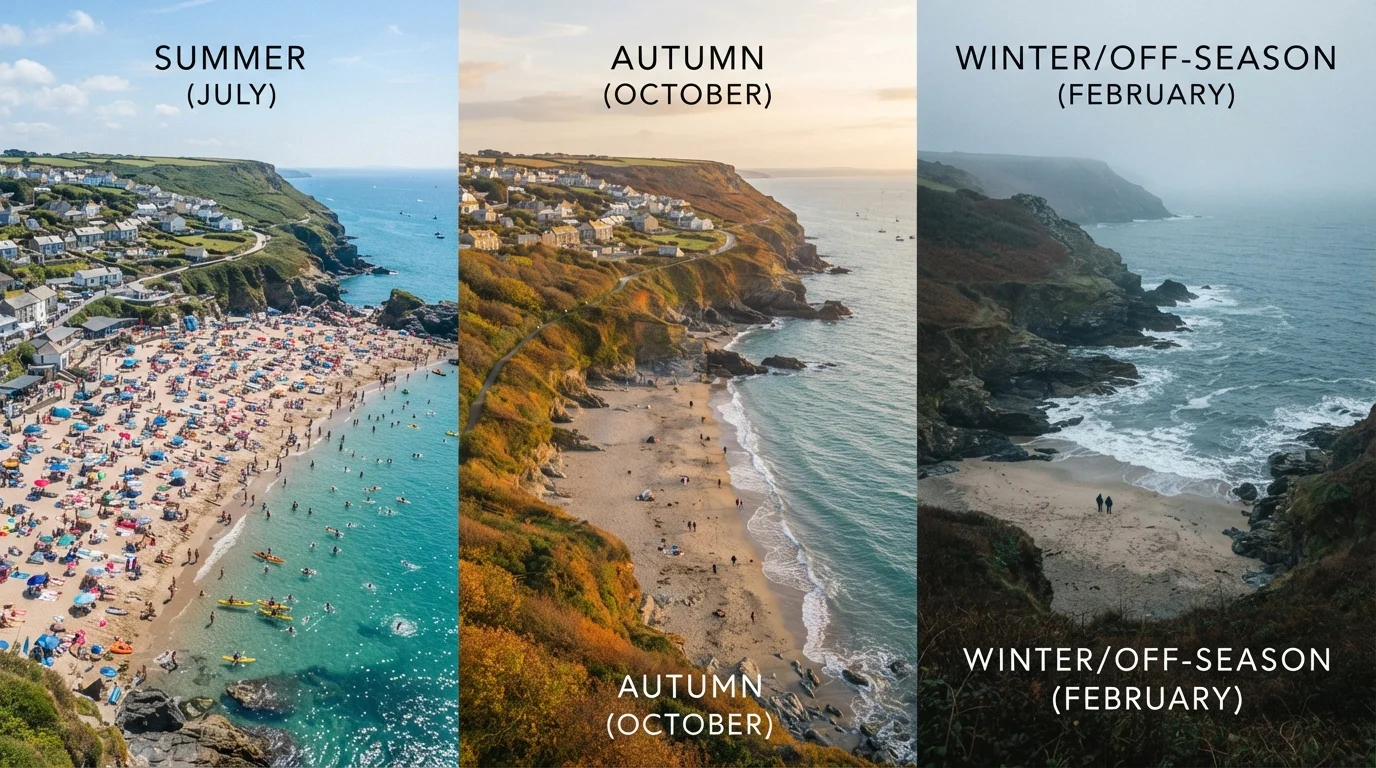
Key Takeaways
- Peak season brings reliable weather and full amenities but comes with higher prices and larger crowds.
- Shoulder season often offers the most balanced trade-off between cost, comfort, and availability.
- Off-peak travel is the most affordable but requires flexibility and tolerance for limited services.
- Weather patterns, school calendars, and local events all shift what 'peak season' actually means at a given destination.
- Knowing your travel priorities—comfort, budget, or experience quality—makes choosing a travel window much simpler.
Our Verdict
No single travel season is universally best. Peak season suits those who value predictable conditions and full access to attractions. Shoulder season is often the smart middle ground—lower costs, manageable crowds, and decent weather. Off-peak works well for flexible travelers who prioritize savings and solitude over convenience. Match your season to your priorities, not someone else's itinerary.
| Best for | Recommended |
|---|---|
| Travelers who prioritize weather reliability and full amenities | Peak Season |
| Those seeking a balance of cost, comfort, and manageable crowds | Shoulder Season |
| Budget-focused or flexible travelers willing to plan around limitations | Off-Peak Season |
| Families bound by school calendars with limited date flexibility | Peak Season (with advance planning) |
Why Seasonality Is a Planning Decision, Not Just a Detail
Most travelers choose a destination first and a travel date second. But that order often works against them. When you go shapes your budget, your experience on the ground, and even what you're physically able to do at a destination. Understanding how season affects each of those factors is one of the highest-leverage planning decisions you can make.
Seasonality isn't just about weather. It's a combination of climate, school calendars, regional holidays, local events, and the habits of other travelers. What's "peak season" in one place may be a ghost town in another. A beach town in Florida peaks in winter; the same concept in Maine peaks in summer. Before applying any general rule, verify what the seasonal rhythm actually looks like at your specific destination.
For a broader look at how these decisions fit into the full planning process, see The Anatomy of a Well-Planned Trip.
Peak, Shoulder, and Off-Peak: What Each Season Actually Means
Travel seasons are typically divided into three broad categories, each with its own trade-offs:
- Peak season is when a destination experiences its highest demand. Weather is usually at its most favorable, attractions are fully operational, and transportation runs on full schedules. The downside: prices for flights, hotels, and tours are at their highest, and popular sites can feel overcrowded.
- Shoulder season falls just before or after peak. Crowds thin out, prices drop noticeably, and the destination is still largely accessible. Weather may be slightly less predictable, but for many travelers, the trade-offs are worth it.
- Off-peak season is the quietest and most affordable period. Some businesses may close or operate on reduced hours, weather may be challenging, and certain activities may be unavailable. For flexible or budget-focused travelers, this window can offer genuine value.
| Peak Season | Shoulder Season | Off-Peak Season | |
|---|---|---|---|
| Cost (flights & lodging) | Highest prices | Moderate, often noticeably lower | Lowest available rates |
| Crowds | Heavy at popular sites | Moderate, manageable | Sparse to minimal |
| Weather reliability | Most predictable, favorable | Generally good, some variability | Higher chance of poor conditions |
| Amenity availability | Fully operational | Mostly open | Partial closures common |
| Booking lead time needed | Months in advance | Several weeks ahead | Last-minute often possible |
| Best suited for | Families, first-time visitors | Flexible adults, couples | Budget travelers, solo trips |
Understanding these distinctions helps you set realistic expectations before booking. For travelers new to planning, Key Terms Every Traveler Encounters When Planning a Trip offers useful context on the vocabulary you'll encounter.
How Heat, Humidity, and Weather Risk Factor In
Weather is the most obvious seasonality variable, but the details matter more than the summary. "Warm" can mean a pleasant 75°F or an oppressive 100°F with high humidity. Rainy season may mean daily afternoon showers that clear by evening—or persistent flooding that closes roads.
A few practical considerations:
- Heat index, not just temperature: In humid climates, the apparent temperature can be significantly higher than the actual reading. If you're visiting tropical destinations in summer months, research both temperature and humidity averages, not just weather headlines.
- Storm seasons: Atlantic hurricane season runs June through November, with the highest activity typically in late summer and early fall. Caribbean, Gulf Coast, and Southeast US destinations carry real risk during this period. Travel insurance with trip cancellation coverage becomes more important, not optional, in these windows.
- Shoulder weather is often underrated: Many destinations in shoulder season offer genuinely comfortable conditions with far fewer visitors. Mediterranean Europe in May or October, for instance, is warm, functional, and significantly less crowded than July or August.
Check Local Events Before Assuming 'Off-Peak'
A destination's general off-peak window can be upended by a major local festival, sporting event, or conference. Before finalizing dates, search for regional events at your destination during your intended travel window. A quiet coastal town can fill up completely during a local seafood festival or holiday weekend, wiping out the cost and crowd advantages you planned around.
The Cost Dimension: What Changes and by How Much
Prices for flights and accommodations are not static—they respond directly to demand. Peak season can mean paying substantially more for the same room or seat than you would a few weeks earlier or later. This isn't hidden or unpredictable; it's the standard pricing model across most of the travel industry.
A few patterns worth knowing:
- Flight pricing: Major holiday travel windows (Thanksgiving, spring break, summer) drive up airfare significantly. Booking well in advance can help, but the underlying demand premium is real.
- Accommodation pricing: Hotels, vacation rentals, and resorts frequently apply peak surcharges. In some resort markets, nightly rates in peak season can be two to three times the off-peak rate for the same unit.
- Activity and tour pricing: Popular guided tours and experiences often charge more during peak periods and sell out faster. Off-peak, those same experiences may be discounted or easier to access.
To build a realistic travel budget across any season, the Pre-Trip Budget Planning Checklist is a practical starting point. If you're weighing how pace affects overall cost, Slow Travel vs. Fast-Paced Itineraries is worth reading alongside this guide.
30–50%
Typical lodging cost difference between peak and off-peak
Industry analyses of vacation rental and hotel markets consistently show significant rate variation across seasonal demand cycles.
June–November
Atlantic hurricane season window
Per NOAA, the Atlantic hurricane season officially spans June 1 through November 30, with peak activity typically in August and September.
Matching Your Travel Style to the Right Season
Your ideal travel window depends on what you value most. There's no universal answer, but asking a few direct questions sharpens the decision:
- How flexible are your dates? Travelers locked into specific school breaks or holidays have fewer options by default. Those with flexible schedules have the most to gain from shoulder or off-peak planning.
- What's your tolerance for uncertainty? Off-peak travel requires more flexibility—some restaurants may be closed, some ferries may not run, some trails may be inaccessible. If unpredictability stresses you out, shoulder season is likely a better fit than deep off-peak.
- Are you traveling solo or with a group? Group trips add coordination complexity that can make shoulder or off-peak windows trickier to navigate. Solo Travel vs. Group Travel covers how planning needs shift depending on your party size.
- What activities are non-negotiable? Some experiences are season-dependent—whale watching, ski runs, cherry blossoms—and may override cost or crowd considerations entirely.
Once you've chosen your window, moving into itinerary construction is the natural next step. See Itinerary Planning: What Every Traveler Should Know for guidance on building a day-by-day plan that holds up in practice.