

Key Takeaways
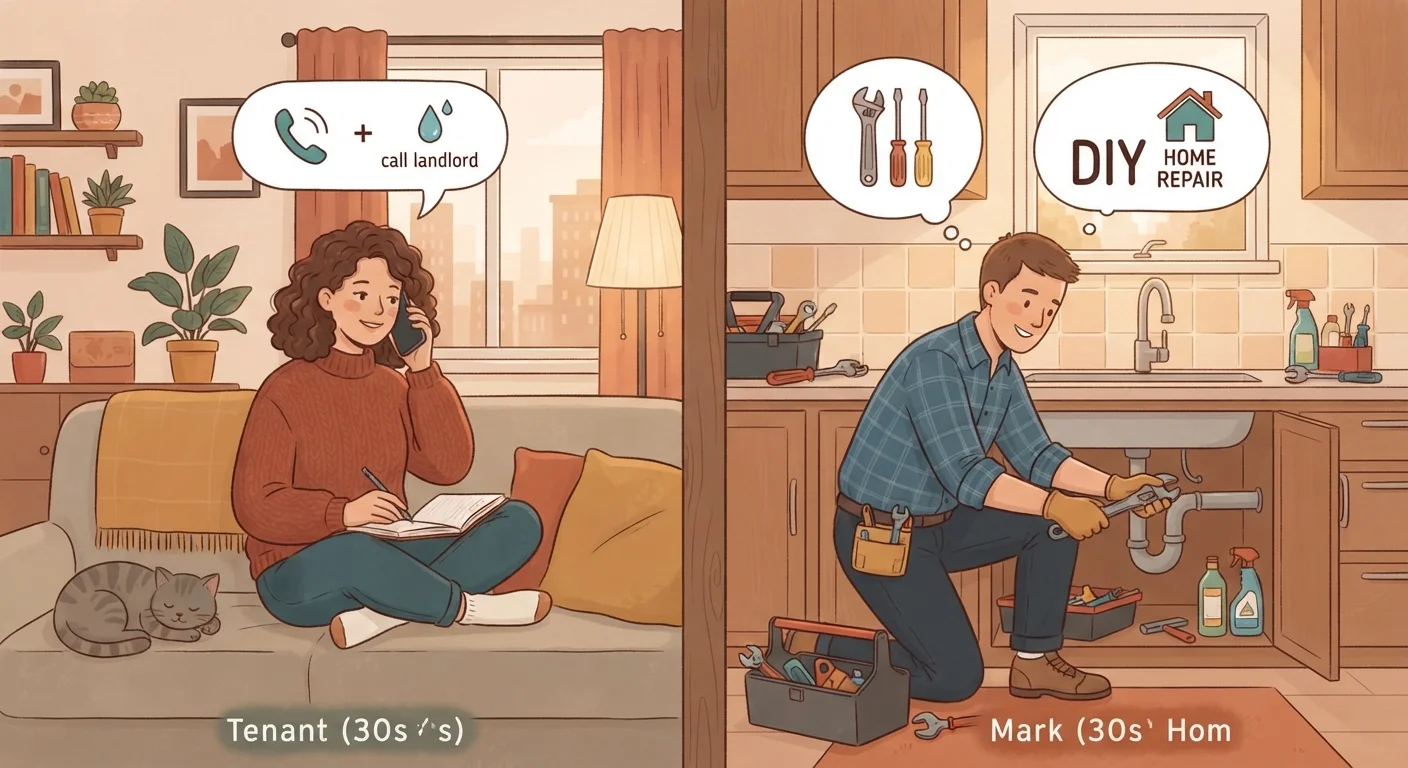
- Renters are generally responsible for minor upkeep and cleanliness; landlords handle structural and system repairs.
- Homeowners carry full responsibility for all maintenance, from routine to emergency.
- Lease agreements define the specific boundary between tenant and landlord duties.
- Both renters and owners benefit from proactive, low-effort upkeep habits.
- Understanding your obligations prevents disputes, unexpected bills, and property damage.
Our Verdict
Renting offers predictability — large repair costs typically fall to the landlord — but tenants must still stay on top of basic upkeep and document everything carefully. Homeowners have full control but also full financial exposure. In either case, building simple maintenance habits is the most effective way to keep your home functional and pleasant.
| Best for | Recommended |
|---|---|
| Those who want limited repair liability and predictable housing costs | Renting |
| Those who want full control over their space and long-term investment | Owning |
| Anyone wanting to protect their living situation proactively | Consistent routine maintenance (applies to both) |
How Maintenance Responsibility Is Divided
Whether you rent or own, maintaining a home isn't optional — it's what keeps small annoyances from becoming expensive disasters. But who handles which tasks depends almost entirely on your housing arrangement.
In a rental, the general rule across most U.S. states is that landlords must keep the property habitable — meaning functioning heat, plumbing, electrical systems, and a sound structure. Tenants, in turn, are expected to keep the unit reasonably clean, avoid damage beyond normal wear and tear, and report problems promptly.
For homeowners, the division disappears entirely. Every leaking pipe, failing appliance, and cracked gutter is yours to address. There's no landlord to call — only your own budget, schedule, and initiative. This is one reason regularly reviewing overlooked maintenance tasks matters so much for owners in particular.
| Renting | Owning | |
|---|---|---|
| Structural repairs (roof, walls, foundation) | Landlord's responsibility | Owner's full responsibility |
| HVAC and major systems | Landlord maintains; tenant reports issues | Owner schedules and pays for all service |
| Appliances included with unit | Landlord repairs or replaces | Owner repairs or replaces |
| Day-to-day cleanliness | Tenant's responsibility | Owner's responsibility |
| Minor wear items (bulbs, batteries) | Usually tenant's responsibility | Owner's responsibility |
| Emergency repair cost | Landlord typically covers | Owner bears full cost |
| Control over contractors and timing | Limited — landlord decides | Full control |
| Maintenance budgeting required | Minimal — small items only | Significant — plan for 1–2% of home value annually |
What Renters Are (and Aren't) Responsible For
Most lease agreements make renters responsible for everyday cleanliness and minor maintenance — replacing light bulbs, keeping drains clear of hair and debris, and reporting issues quickly. Prompt reporting is critical: if a tenant notices a leak and says nothing, and the delay causes further damage, they may share financial responsibility for the outcome.
What renters typically do not own: HVAC systems, water heaters, roof repairs, pest control for infestations that predate their tenancy, and appliances that came with the unit. These fall to the landlord under the implied warranty of habitability, a legal standard recognized in most states.
Document Every Maintenance Request
Send repair requests in writing — email or a landlord app — rather than by phone call alone. Note the date and describe the issue clearly. If the landlord responds, save that too. This paper trail protects you if deposit deductions or liability questions arise at move-out.
Keep written records of every maintenance request — date, method, and the landlord's response. If a dispute arises, documentation is your strongest protection. A clear routine maintenance habit also makes move-out inspections far less stressful.
What Homeowners Must Budget and Plan For
Ownership transfers every line of the maintenance ledger to you. This includes the predictable — annual HVAC servicing, gutter cleaning, exterior caulking — and the unpredictable, like a water heater that fails mid-winter or a roof damaged by a storm.
A commonly cited guideline suggests setting aside roughly 1–2% of a home's purchase price annually for maintenance, though actual costs vary widely by age, climate, and home size. This is general information, not a personalized financial recommendation — your situation will differ, and consulting a financial professional can help you plan appropriately. For more on building that kind of financial cushion, the Saving & Debt hub offers practical starting points.
1–2%
Annual maintenance budget guideline for homeowners
A widely cited rule of thumb suggests homeowners set aside 1–2% of their home's purchase price each year for upkeep and repairs, though actual needs vary.
35%
U.S. households that rent their home
According to U.S. Census Bureau data, approximately one-third of American households are renters, making maintenance responsibility a broadly relevant topic.
The upside of ownership is control: you choose when work gets done, who does it, and to what standard. The downside is that deferring maintenance often multiplies costs. A failed caulk joint today can become a mold remediation job in two years.
Low-Effort Habits That Work for Both Renters and Owners
Regardless of ownership status, a handful of simple routines dramatically reduce the chance of maintenance surprises.
- Change HVAC filters regularly. Renters should check their lease to see if this is their responsibility — often it is. Owners absolutely must stay on top of it.
- Run water in rarely-used fixtures. Traps can dry out, allowing sewer gases into the home. A monthly run of water in guest bathrooms solves this.
- Check under sinks seasonally. Catching a slow drip before it warps a cabinet floor is a five-second fix versus a potentially costly repair.
- Test smoke and CO detectors. Renters and owners alike are responsible for working detectors during occupancy in most jurisdictions.
- Keep exterior drainage clear. Owners handle gutters; renters can clear patio drains or report blockages near entryways.
If you share a home with others, coordinating these small tasks matters. Balancing shared responsibilities takes communication but pays off quickly in avoided friction and better upkeep.