

Key Takeaways
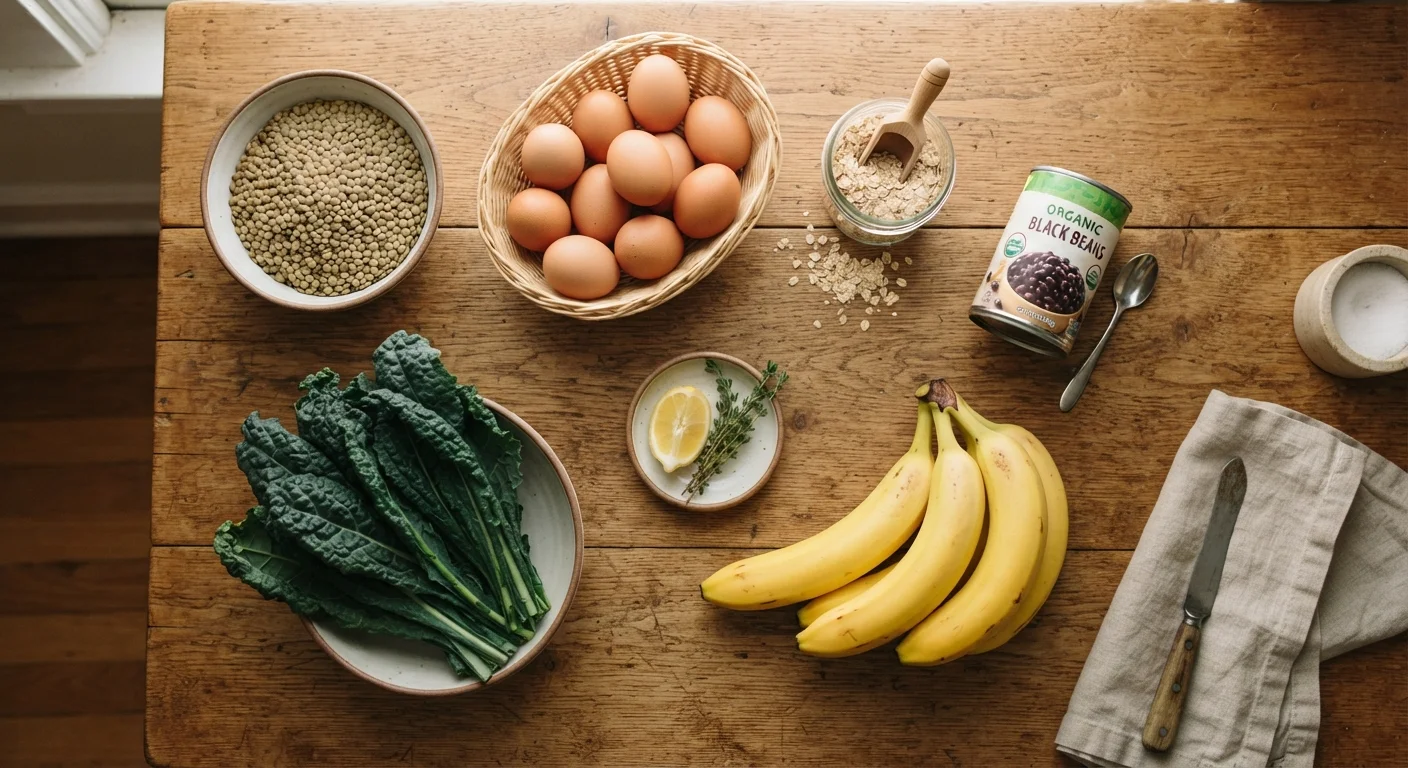
- Several inexpensive staples — like lentils, eggs, and oats — deliver exceptional nutrition per dollar spent.
- Prioritizing whole, minimally processed foods typically offers more nutrients than the same spend on packaged convenience items.
- Meal planning around versatile staples can significantly reduce both food waste and grocery costs.
- Frozen and canned vegetables are nutritionally comparable to fresh and are often far cheaper.
- Understanding which foods offer the best nutrient density helps you make smarter choices at the store.
Why Nutritional Value per Dollar Matters
Grocery budgets are under real pressure, and it's tempting to assume that eating healthily costs more. But that assumption doesn't always hold up. The key is understanding nutrient density — how many meaningful nutrients (protein, fiber, vitamins, minerals) a food delivers relative to its cost and calorie content.
If you're new to thinking about food quality, the foundational guide to eating well is a helpful starting point before diving into cost comparisons. And if you're also trying to stretch a budget in other areas of life, the principles behind everyday budgeting apply just as well at the supermarket checkout.
The foods listed below consistently rank high on nutritional value while remaining among the most affordable items in most US grocery stores. None of this is medical advice — it's practical, general information to help you shop smarter.
Lentils: the protein and fiber powerhouse
Dried lentils are one of the most cost-effective sources of plant-based protein and dietary fiber available in any US grocery store. A one-pound bag typically costs well under two dollars and yields multiple generous servings. Each cooked cup provides roughly 18 grams of protein and 15 grams of fiber, along with meaningful amounts of iron and folate.
Lentils require no soaking, cook in about 20 minutes, and absorb flavors readily — making them equally at home in soups, salads, and grain bowls. For a deeper look at how they compare to other plant proteins, see how plant protein sources stack up nutritionally.
A pound of lentils costs under two dollars and delivers protein, fiber, iron, and folate across multiple meals.
Eggs: complete protein at a low unit cost
Eggs are one of the few affordable foods that contain all nine essential amino acids, making them a complete protein source. They also supply choline (important for brain health), vitamin D, B12, and selenium. The cost per egg in most US stores remains low relative to the nutritional return.
Scrambled, poached, hard-boiled, or folded into a frittata with whatever vegetables are on hand — eggs are among the most versatile proteins in a budget kitchen. They also store well, reducing waste.
Eggs supply all nine essential amino acids plus key vitamins, often for less than 25 cents each.
Oats: filling, fiber-rich, and inexpensive
Rolled oats offer a genuinely impressive nutritional profile for their price. They're rich in soluble fiber — particularly a type called beta-glucan — which research has associated with supporting healthy cholesterol levels. Oats also provide a meaningful amount of protein for a grain, along with magnesium, phosphorus, and B vitamins.
A large canister of rolled oats costs just a few dollars and lasts weeks. Beyond breakfast porridge, oats work in savory dishes, homemade granola, and baked goods — making them a flexible pantry anchor.
Oats provide soluble fiber, plant protein, and key minerals for just cents per serving.
Canned and frozen vegetables: fresh nutrition, lower price
There's a common misconception that frozen or canned vegetables are nutritionally inferior to fresh. In reality, most are processed shortly after harvest, which preserves most of their vitamin and mineral content. Frozen spinach, canned tomatoes, canned pumpkin, and frozen peas are all good examples of vegetables that cost far less than their fresh equivalents while offering comparable nutrition.
When choosing canned vegetables, look for options without added salt or with reduced sodium. Rinsing canned beans and legumes can also reduce sodium content significantly. Understanding how food processing affects nutrients can help you make more confident choices at the shelf.
Frozen and canned vegetables are nutritionally comparable to fresh — and often cost a fraction of the price.
Canned fish: omega-3s without the seafood price tag
Canned sardines, tuna, and salmon are among the most nutrient-dense affordable proteins available. Sardines in particular are rich in omega-3 fatty acids, calcium (from their soft, edible bones), vitamin D, and B12 — a remarkably complete nutritional package. Canned salmon offers similar benefits and is often less expensive than fresh fillets.
These options work well in salads, grain bowls, pasta, and quick grain-and-vegetable combinations. Because they're shelf-stable, they also reduce food waste — a factor worth considering when managing a tight grocery budget.
Canned sardines and salmon deliver omega-3s, calcium, and vitamin D at a fraction of fresh fish prices.
Bananas: affordable fruit with practical benefits
Among fresh fruits, bananas are consistently one of the cheapest per serving in US grocery stores. They provide potassium, vitamin B6, vitamin C, and a moderate amount of fiber. Their natural sweetness also makes them a useful, lower-cost addition to oatmeal, smoothies, and snacks — reducing the need for added sugars.
Overripe bananas freeze well and can be blended into smoothies or used in baking, which virtually eliminates waste. For households watching spending, buying bananas regularly and freezing any that begin to turn is a simple, practical habit.
Bananas are among the cheapest fruits per serving and freeze easily, eliminating waste entirely.
Cabbage: the underrated vegetable staple
Cabbage is one of the most affordable vegetables by weight in most US stores and is nutritionally solid — providing vitamin C, vitamin K, folate, and fiber. It keeps well in the refrigerator for weeks, which reduces waste and extends the value of each purchase.
Green cabbage works in slaws, stir-fries, soups, and braised dishes. Red cabbage adds antioxidant compounds called anthocyanins. Either way, a single head of cabbage can anchor multiple meals, making it one of the best value-to-volume options in the produce aisle.
A single head of cabbage yields multiple meals and keeps for weeks — making it exceptional value per serving.
Putting It All Together
The strongest budget-friendly eating strategy isn't about cutting corners — it's about anchoring your meals around the staples above and building from there. A week of meals built on oats, lentils, eggs, canned fish, frozen vegetables, and a few pieces of seasonal fruit can be both nutritionally solid and genuinely affordable.
Plan Meals Around Staples, Not Recipes
Rather than finding a recipe and then buying every ingredient, try working the other way: choose two or three of your highest-value staples each week, then build meals around them. This approach reduces impulse purchases, cuts waste, and keeps your grocery bill more predictable. Even simple combinations — lentils with roasted frozen vegetables, eggs with sautéed cabbage — are nutritionally complete and fast to prepare.
For a structured way to reflect on your current eating habits and spot gaps, the everyday nutrition self-audit checklist offers a practical, no-pressure starting point. If you're also curious about how plant proteins compare to animal sources, this side-by-side look at protein sources breaks it down clearly.
Small, consistent shifts — swapping one expensive protein for lentils a few nights a week, choosing frozen spinach over fresh — compound over time into real savings and real nutritional gains. The goal is progress, not perfection.
Nutritional Needs Vary by Individual
The foods discussed here are general examples of affordable, nutrient-dense staples. Individual nutritional needs differ based on age, activity level, health conditions, and other factors. This article is for general informational purposes only and is not a substitute for guidance from a qualified healthcare provider or registered dietitian. If you have specific dietary concerns or health conditions, consult a professional before making significant changes to your diet.