

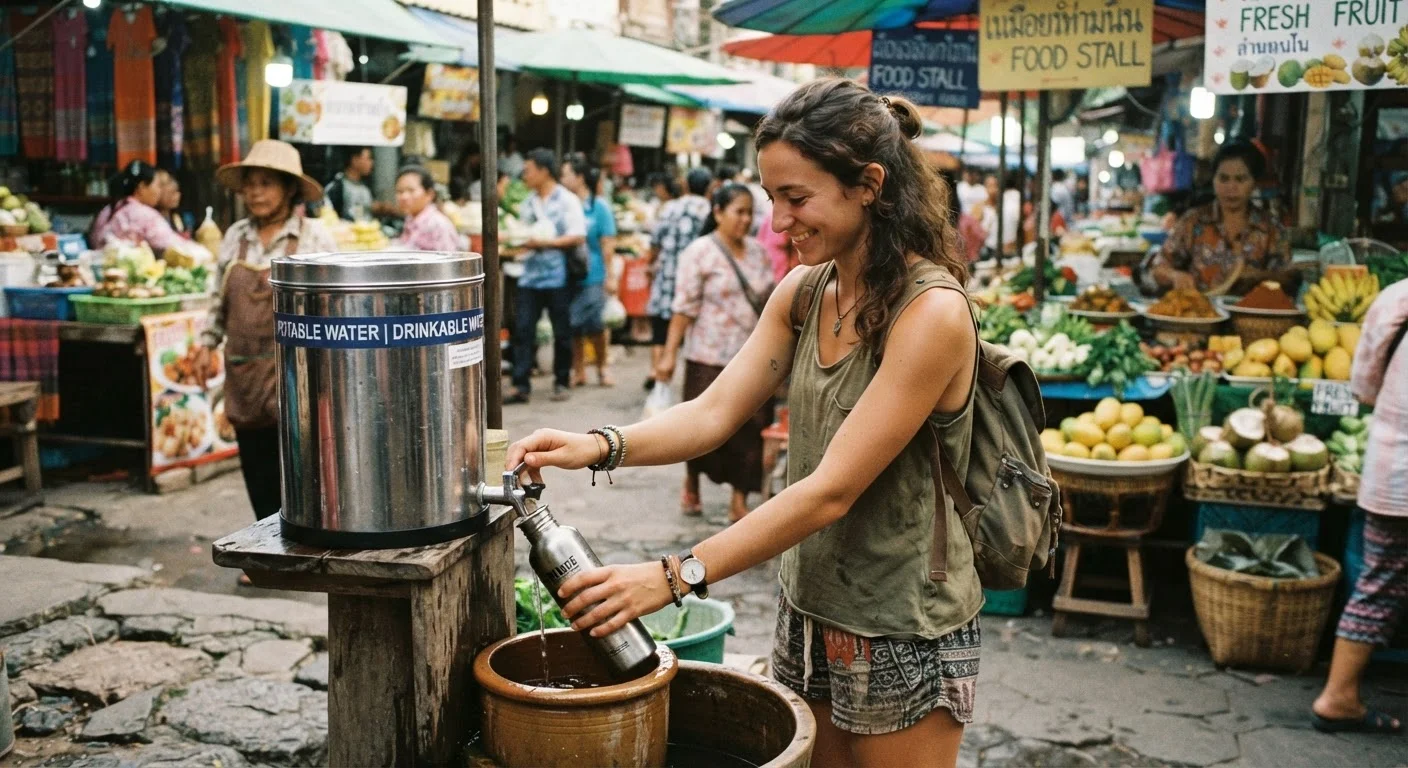
Why Food and Water Safety Varies So Much by Destination
One of the most common surprises for first-time international travelers is discovering that the rules they follow at home — drink from the tap, eat street food without a second thought — don't always transfer cleanly abroad. That's not a reason for anxiety; it's simply a logistics issue worth understanding before you go.
Water treatment infrastructure, food handling regulations, and sanitation standards differ significantly across countries and even within regions of the same country. A city with modern plumbing may sit an hour away from a rural area where untreated well water is the norm. The risk isn't inherent to any place — it's about knowing what systems are in place and adapting accordingly.
For a broader look at what first-time international travelers often underestimate, see things travelers overlook when planning their first international trip.
Tap Water: A Region-by-Region Overview
Tap water safety is one of the most practical things to research before travel. In much of Western Europe, Canada, Australia, Japan, and the United States, municipal tap water meets strict treatment standards and is generally considered safe to drink. In many other regions — including parts of Central America, South Asia, Southeast Asia, Sub-Saharan Africa, and rural areas almost anywhere — tap water may carry bacteria, parasites, or viruses that can cause illness in visitors whose systems aren't adapted to local microorganisms.
Even in countries where tap water is technically treated, aging pipes or inconsistent municipal systems can introduce contaminants. A practical default: if you're unsure, use sealed bottled water or a portable filtration method for drinking and brushing teeth. Boiling water for at least one minute is an effective low-tech option where fuel is available.
Traveler's diarrhea
The most common travel-related illness, typically caused by consuming food or water contaminated with bacteria, viruses, or parasites. Symptoms usually resolve within a few days but can be debilitating during travel.
Cold chain
The system of refrigerated transportation and storage that keeps perishable foods at safe temperatures. Inconsistent cold chain infrastructure increases foodborne illness risk in warmer or lower-resource settings.
Oral rehydration salts (ORS)
A mixture of salts and sugars dissolved in water used to prevent or treat dehydration caused by diarrhea or vomiting. Widely available at pharmacies and recommended by health authorities for managing mild to moderate illness.
Water purification
Any method used to make water safe to drink, including boiling, chemical treatment (such as iodine or chlorine tablets), UV light pens, and filtration devices. Different methods address different types of contaminants.
Ice is a frequently overlooked risk — it's often made from tap water. In lower-resource settings, skipping ice in drinks is a reasonable precaution. Carbonated bottled beverages and hot beverages made with boiled water are generally safer alternatives.
Street Food and Local Markets: Practical Risk Factors
Street food is one of the great pleasures of travel — and in many destinations, it's also among the safest food you can eat, precisely because high turnover means ingredients are rarely sitting around. The key variables aren't whether food is sold on a street corner but how it's prepared, stored, and handled.
Look for vendors where food is cooked to order and served hot. Busy stalls with visible local customers are generally a reliable signal that the food is fresh and well-regarded. Avoid pre-cut fruit left out uncovered, foods that have been sitting unrefrigerated, or items washed in water of uncertain quality. Raw shellfish and undercooked proteins carry higher risk in any setting, but especially where cold-chain infrastructure is inconsistent.
Eating well while traveling doesn't have to mean sacrificing safety or your budget — see eating well without overspending while traveling for strategies that work in both directions.
Hand Hygiene Makes a Measurable Difference
Washing hands thoroughly with soap and water before eating is one of the most consistently effective ways to reduce illness risk across all environments. Where clean water isn't available, alcohol-based hand sanitizer (at least 60% alcohol) is a practical backup. This simple habit matters regardless of how careful you are about what you eat or drink.
Preparing Before You Leave: Vaccinations and Personal Precautions
Some foodborne and waterborne illnesses have vaccines that reduce your risk significantly. Hepatitis A and typhoid fever, both spread through contaminated food and water, have recommended vaccines for travel to certain regions. Your doctor or a travel medicine clinic can advise which are appropriate for your specific destinations and health history — this is general information, not a prescription, and personal medical decisions should always involve a qualified healthcare provider.
Beyond vaccines, carrying basic supplies — oral rehydration salts, antidiarrheal medication, and a water purification method — can be genuinely useful if illness strikes. Travel health insurance that covers medical evacuation is also worth understanding before departure. For help building a broader safety net while abroad, see building your travel emergency contact plan.
30–70%
Travelers affected by diarrhea in high-risk regions
According to CDC estimates, depending on destination and travel style.
80%
Cases preventable with food and water precautions
Public health guidance consistently emphasizes hygiene and safe consumption as primary prevention strategies.
This article is for general informational purposes only and does not constitute medical advice. Always consult a qualified healthcare professional before making decisions about vaccinations, medications, or managing illness while traveling.