

Key Takeaways
- Hotels are just one option — budget travelers regularly use hostels, guesthouses, house-sitting, and home exchanges.
- Each accommodation type involves real trade-offs in privacy, flexibility, and effort — not just cost.
- Some alternatives, like house-sitting or home exchanges, require advance planning and trust-building.
- Matching the right accommodation type to your travel style matters as much as finding the lowest price.
Why Budget Travelers Look Beyond Hotels
Hotels offer predictability — a confirmed room, consistent standards, and zero commitment beyond the nightly rate. But predictability comes at a price, and for travelers working within tight budgets, that price can quietly consume the lion's share of trip spending. Budget travel isn't just about finding the cheapest option — it's about making smart trade-offs. Accommodation is often the biggest lever you have.
The good news: the range of alternatives has never been wider. From well-established hostel networks to informal house-sitting arrangements, budget travelers have developed a genuinely diverse toolkit. Each option has a distinct profile of cost, comfort, convenience, and social experience. Understanding that profile helps you choose the right fit — not just the lowest number on a price comparison page.
Before diving in, keep one thing in mind: costs, availability, and conditions at any specific accommodation vary widely by destination, season, and provider. Always verify current details directly with hosts or platforms before booking.
Hostels
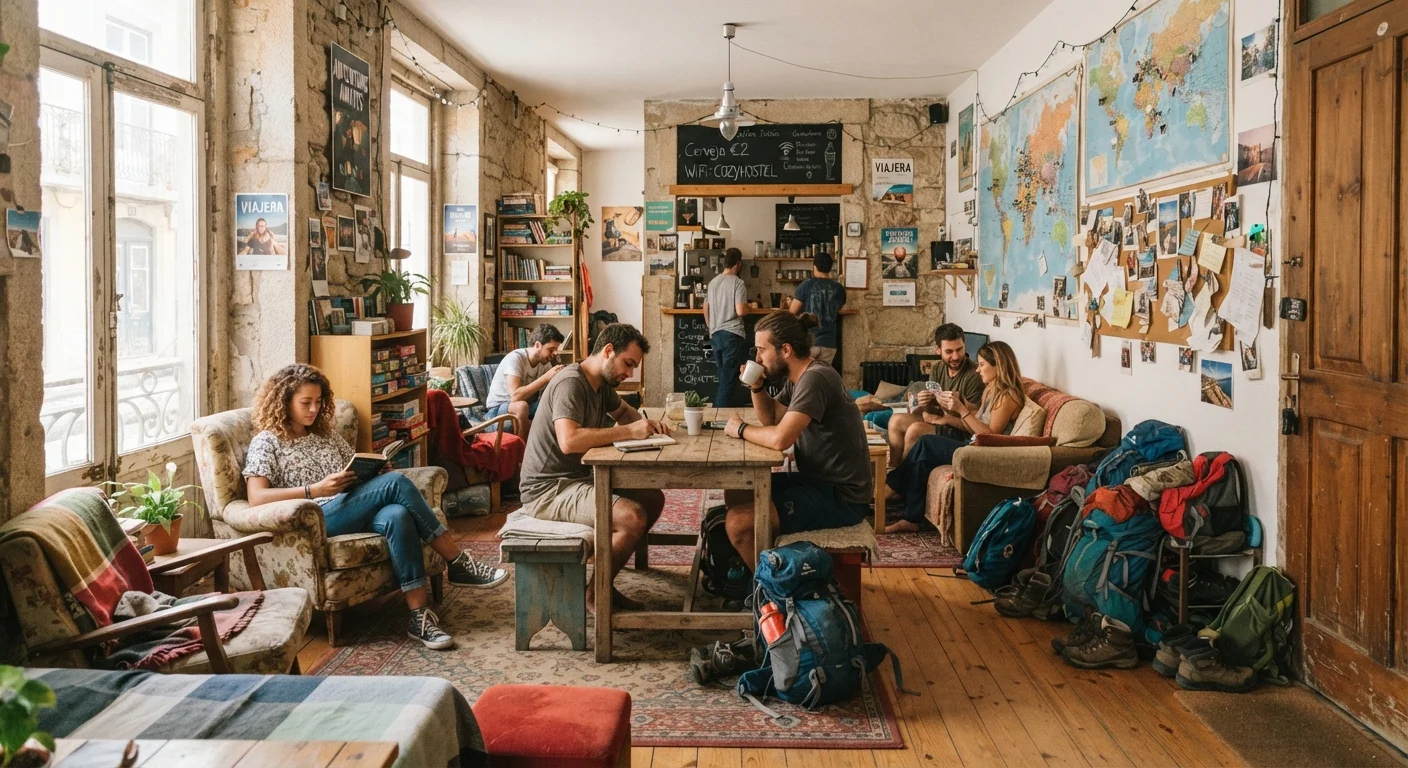
Hostels remain the most widely used budget accommodation type globally, and for good reason. Dorm-style bunk rooms dramatically reduce nightly costs compared to private hotel rooms, often placing travelers in central city locations that would otherwise be unaffordable. Most established hostels include basics like lockers, Wi-Fi, and communal kitchens.
The trade-off is privacy and sleep quality. Shared dorms mean shared noise, shared bathrooms, and strangers setting alarms at odd hours. Many hostels now offer private rooms at rates still below comparable hotels — a middle ground worth exploring if light sleeping is a concern. Hostels tend to work best for solo travelers and social travelers who appreciate built-in community.
Hostels offer central locations and community — but shared dorms mean accepting genuine privacy trade-offs.
Guesthouses and Family-Run B&Bs
Guesthouses — small, often family-operated lodgings — sit between hostels and mid-range hotels in both cost and character. They're especially common across Southeast Asia, Latin America, Southern Europe, and parts of Africa, where local hospitality culture makes them a cornerstone of the tourist economy.
What you gain is a more personal experience: hosts who know the neighborhood, home-cooked breakfasts, and rooms that reflect local style rather than corporate standardization. What you might give up is consistency — amenities, cleanliness, and quiet can vary considerably from one property to the next. Reading recent guest reviews carefully is essential when booking guesthouses, particularly through informal channels.
Guesthouses offer local character and personal touches that generic hotels rarely match at any price.
Couchsurfing and Hospitality Networks
Couchsurfing — staying as a guest in a local's home at no charge — has been practiced informally for decades and formalized through online platforms. The appeal is twofold: zero accommodation cost and direct cultural immersion. Hosts are typically locals eager to share their city with travelers; guests are expected to be respectful, engaged, and communicative.
This arrangement depends entirely on trust and compatibility. Vetting hosts through platform reviews, maintaining clear communication about expectations, and having a backup plan if an arrangement falls through are all non-negotiable precautions. Hospitality networks work well for experienced travelers comfortable navigating ambiguity — less so for those who need guaranteed comfort or schedule certainty.
Couchsurfing eliminates accommodation costs but requires trust-building and strong communication skills.
House-Sitting
House-sitting involves caring for someone's home — and often their pets — while they're away, in exchange for free accommodation. Assignments can last from a few days to several months, making this a particularly valuable option for slow travelers or those on extended trips. For travelers on fixed incomes, house-sitting can make longer trips genuinely feasible.
The catch is lead time. Securing house-sits requires building a profile, gathering references, and often applying weeks or months in advance. It works best as one component of a trip rather than a last-minute fallback. Arrangements are typically made through dedicated platforms; sitters should clarify all expectations — pet care duties, household responsibilities, emergency contacts — before arriving.
House-sitting can eliminate accommodation costs entirely, but it demands advance planning and demonstrated reliability.
Home Exchanges
Home exchange means trading your home with another traveler — you stay in their place while they stay in yours. Unlike house-sitting, both parties are guests in each other's homes simultaneously or at agreed-upon different times. The result is free, fully equipped accommodation in a real neighborhood rather than a tourist district.
Home exchanges require you to have a home worth exchanging — which limits this option to homeowners or long-term renters whose landlords permit it. Platforms that facilitate exchanges typically charge an annual membership fee rather than per-transaction costs. Preparing your home thoughtfully for guests — clear instructions, tidy spaces, local recommendations — tends to lead to better mutual experiences.
Home exchanges deliver full apartment living at no nightly cost, but require having a suitable home to offer.
Long-Term Rentals and Monthly Stays
For trips lasting several weeks or more, negotiating a longer-term rental — through apartment platforms, local listings, or direct landlord contact — often yields significantly lower per-night rates than short-term bookings. Many vacation rental platforms include specific filters for weekly or monthly stays, where pricing tends to drop substantially.
The practical upside beyond cost: a full kitchen to cook in, laundry access, and the kind of settled routine that makes extended travel less exhausting. The downside is reduced flexibility — cancellation terms on monthly rentals are typically stricter than short-stay bookings. Destination matters here too — rental markets vary enormously between cities and countries.
Monthly rentals cut per-night costs sharply for slow travelers willing to commit to one location.
Choosing What Works for Your Trip
No single accommodation type suits every trip. A solo traveler doing a week-long backpacking loop through multiple cities has different needs than a couple planning a month-long slow travel stay. Build your accommodation costs into your overall trip budget early — before flights, activities, or food — because your lodging choice shapes everything else.
Mix Accommodation Types Within One Trip
You don't have to commit to one approach for an entire journey. Many experienced budget travelers use hostels for short city stops, guesthouses for slower regional exploration, and longer rentals when they want to settle in one place for a week or more. Mixing types lets you optimize cost and comfort at each stage of the trip rather than applying a single formula throughout.
Consider your travel style honestly. If you value privacy and uninterrupted sleep, dorm hostels may cost you more in comfort than you save in cash. If you're open to flexibility and social connection, options like couchsurfing or communal guesthouses can genuinely enrich the trip. Traveling with others also changes the math — shared rooms become viable in accommodations that would feel awkward solo.
Whatever you choose, read recent reviews from verified guests, confirm cancellation policies before committing, and keep a fallback option in mind — especially when trying a new accommodation type for the first time.
This article provides general travel information for educational purposes. Prices, availability, and safety conditions vary by location and change over time. Always verify accommodation details with providers and consult official government travel advisories before your trip.