

Key Takeaways
- A country's low cost of living for residents doesn't automatically mean cheap travel for tourists.
- Flights, tourist-tier pricing, and mandatory expenses can offset savings from cheap on-the-ground costs.
- Currency exchange rates, visa fees, and travel insurance add real costs that most rough budgets ignore.
- The most affordable destination for you depends on your specific origin, travel style, and itinerary.
- Thorough pre-trip budgeting matters more than choosing a destination labeled 'cheap' by others.
The 'Cheap Country' Assumption and Where It Goes Wrong
Every year, travelers pick destinations based on a simple heuristic: countries with lower average wages must be cheaper to visit. Southeast Asia, Eastern Europe, and parts of Latin America get tagged as budget havens — and that reputation isn't entirely wrong. Local meals, transportation, and accommodation can genuinely cost a fraction of what they do at home. But that framing skips over a lot of math.
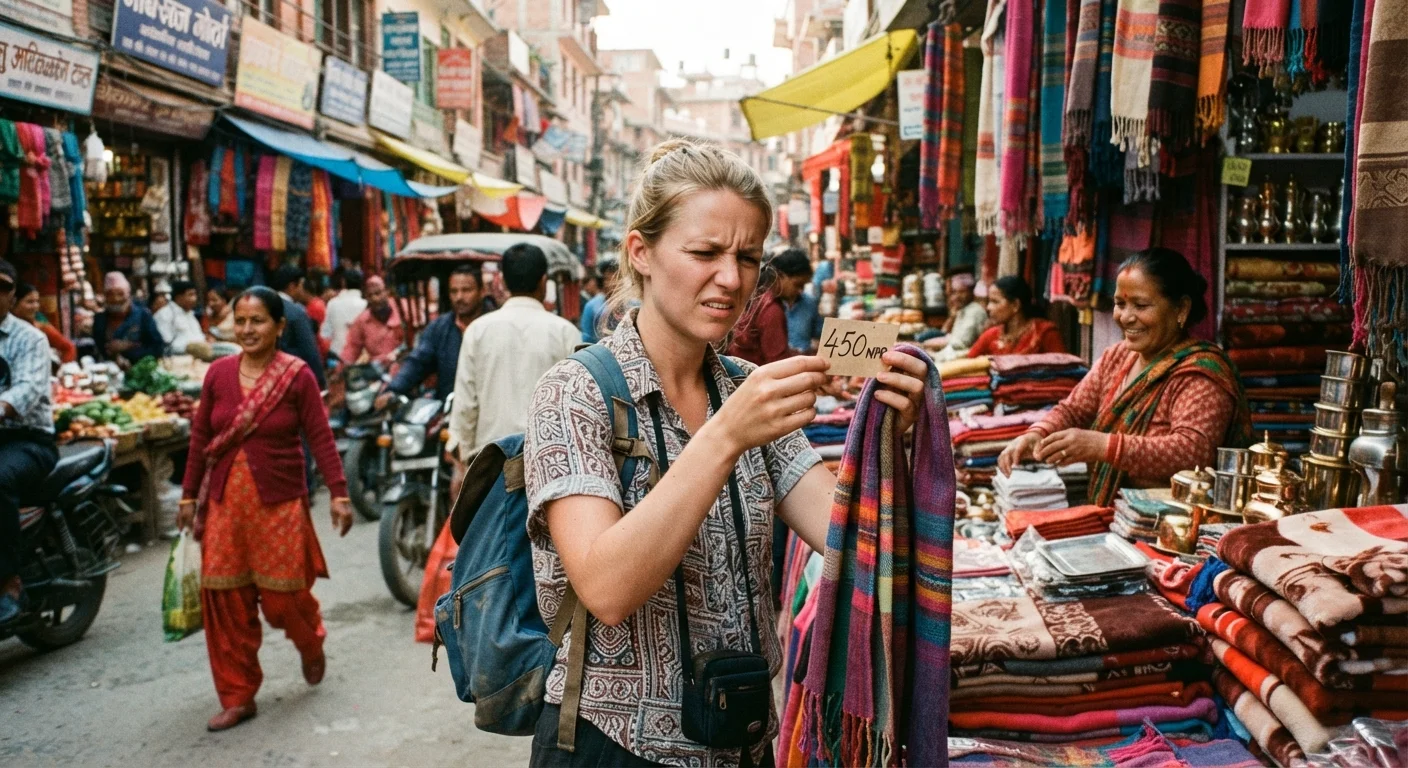
The cost of living in a place and the cost of visiting it as a foreign tourist are meaningfully different things. Locals pay local prices for local goods on local salaries. You arrive from abroad, pay international airfare, book through platforms that serve tourist demand, and carry a passport that flags you as someone who may be charged accordingly. The gap between those two experiences is where most budget surprises live.
For a fuller picture of what budget travel actually involves, see our guide to what budget travel really means.
Myth
If a country has a low cost of living, it will automatically be cheap for me to visit.
Fact
Cost of living reflects what residents pay on local incomes. Tourists face different pricing structures, international airfare, and expenses that locals don't.
A meal that costs the equivalent of $2 USD in a local neighborhood restaurant is genuinely affordable — but tourist-area restaurants in the same city may charge $15–$20. Entrance fees to popular sites are often priced in USD or euros regardless of local currency. And none of that accounts for the flight to get there, which is priced on global airline economics, not local wages.
Myth
Traveling to a cheap destination saves money on flights too.
Fact
Flight prices are determined by route demand, competition, and distance — not the cost of living at the destination.
A roundtrip flight from a mid-sized US city to a popular but pricey European hub may cost less than flying to a budget-friendly destination in Asia or Central America, depending on routing and airline competition. The destination's affordability once you land has no bearing on what it costs to get there. Always calculate total trip cost, including airfare, before assuming a destination is budget-friendly.
Myth
You don't need travel insurance when visiting a cheap destination because healthcare there is affordable.
Fact
Travel insurance covers medical evacuation, trip cancellation, and emergencies that local low-cost healthcare may not resolve — and a serious incident can be expensive anywhere.
Even if routine doctor visits cost very little in your destination country, a medical evacuation back to the US — which may be necessary for serious injuries or illnesses — can cost tens of thousands of dollars without insurance. Travel insurance also covers non-medical risks like cancellations, lost luggage, and travel delays. Skipping it to save a modest premium is a high-risk trade-off regardless of your destination's general cost level.
Myth
The exchange rate tells me exactly what things will cost when I arrive.
Fact
Exchange rates are a starting point, not a full picture. Currency conversion fees, ATM charges, and dynamic pricing can significantly affect your actual spending power.
A favorable exchange rate can be partially offset by the fees your bank charges for foreign transactions, ATM withdrawal fees charged by local banks, and poor conversion rates at airport exchange kiosks. Additionally, many tourist-facing services in popular destinations — including some tours, accommodations, and car rentals — price in USD or euros, meaning the local exchange rate doesn't benefit you at all for those purchases.
Myth
If a destination is cheap for locals, I can live like a local and spend the same amount.
Fact
Most tourists cannot fully replicate how locals live: they don't have local housing, local commutes, or access to resident-only pricing.
Locals live in apartments with monthly leases, cook most of their meals at home, use monthly transit passes, and don't pay entrance fees to attractions in their own city. A tourist's baseline spending — nightly accommodation, eating out at least twice a day, and visiting sites — has a structurally higher floor than a resident's routine. You can get close to local costs in some areas (street food, local transit), but the overall comparison rarely holds up across a full trip.
The Costs That Undermine Cheap-Destination Logic
Even when you've chosen a genuinely affordable destination, several fixed costs apply regardless of where you go — and they can eat a significant portion of your savings before you board the plane.
~30–40%
Share of total trip cost often spent on flights alone
Travel industry estimates consistently show airfare represents a substantial portion of total international trip budgets for US travelers, often before any on-the-ground spending begins.
$50–$250+
Typical range for tourist visa fees
Visa costs vary widely by destination and nationality; some countries charge no fee while others require several hundred dollars in fees and processing — costs that rarely appear in 'daily budget' estimates.
Getting there: Flights are typically the single largest line item in any international trip budget, and they're entirely disconnected from a country's cost of living. Flying to a cheap destination that requires a connection or sits far from major US hubs can cost as much as — or more than — flying somewhere with a higher daily cost but direct routing.
Tourist-tier pricing: Many destinations operate a de facto dual-price system. Entrance fees to major sites, tours, and tourist-zone restaurants are priced for visitors, not locals. In some countries, this is formalized; in others, it's informal. Either way, the street food that costs the equivalent of 50 cents is rarely what ends up dominating your food spend once you factor in the places you're actually eating.
Hidden and mandatory costs: Visa fees, airport taxes, travel health insurance, vaccinations, and currency conversion losses aren't optional. They're part of the real trip cost and routinely go unbudgeted. Our article on hidden costs that blow travel budgets breaks these down in detail.
Before you commit to a destination based on affordability, build a realistic trip budget that accounts for all phases — not just daily spend once you've arrived.
Verify Entry Requirements Before You Budget
Visa fees, required vaccinations, and entry documentation can add meaningful costs to any trip — and the rules change. Always check official government sources (such as travel.state.gov for US passport holders) well before departure, not travel blogs or forum posts. Our article on misreading foreign entry requirements covers where travelers commonly go wrong.
Spending More Intentionally in Any Destination
The practical takeaway isn't that cheap destinations are a myth — it's that affordability is relative and requires active management regardless of where you go. A few principles hold across most situations:
- Compare total trip cost, not just daily spend. Run the numbers including flights, fees, insurance, and visa costs before drawing conclusions about which destination is cheaper.
- Eat where your destination is actually affordable. Local markets, neighborhood restaurants, and self-catering in accommodations with kitchens are where genuine savings live. See how to eat well without overspending for practical approaches.
- Choose accommodation strategically. Tourist-zone hotels often negate an affordable destination's advantages. Accommodation options beyond hotels can make a significant difference to your overall spend.
- Account for your travel style honestly. If you're going to take private transfers, skip the local bus, and eat at sit-down restaurants, a nominally cheap destination won't perform like one.
If you're ready to plan a full low-cost trip with all of this in mind, the complete guide to planning a low-cost trip walks through every phase from destination selection to the return home.